
Does Metal Flashing Get Replaced During a Roof Replacement? This question matters for homeowners planning a major roofing project in Sumner County or Middle Tennessee.
No Limit Roofing & Exteriors, LLC is your one stop shop for all of your roofing, siding, gutter, and window replacement needs. We are first responder owned and operated, GAF Certified, and BBB Accredited, bringing a level of trust and integrity that surpasses all expectations. We are based in Sumner County but proudly serve all of Middle Tennessee. Give us a call today to set up your free inspection and consultation. CLICK HERE to fill out our contact form. You can also get a free instant roof replacement estimate. Just CLICK HERE.
Homeowners often assume every component automatically gets replaced with a new roof. However, flashing is a unique part of the roofing system. It plays an important role in preventing water intrusion in vulnerable areas. Many homeowners are unsure if flashing must be replaced or reused during a full roof replacement.
Although the answer seems simple, the decision depends on several factors. Your roof’s age, the flashing’s condition, the installation quality, and the new roofing material all influence that choice. Understanding these details helps you make a confident decision during your next roof project.
Before exploring those points, it helps to know what flashing does and why it matters on every home in Middle Tennessee.
What Is Roof Flashing?
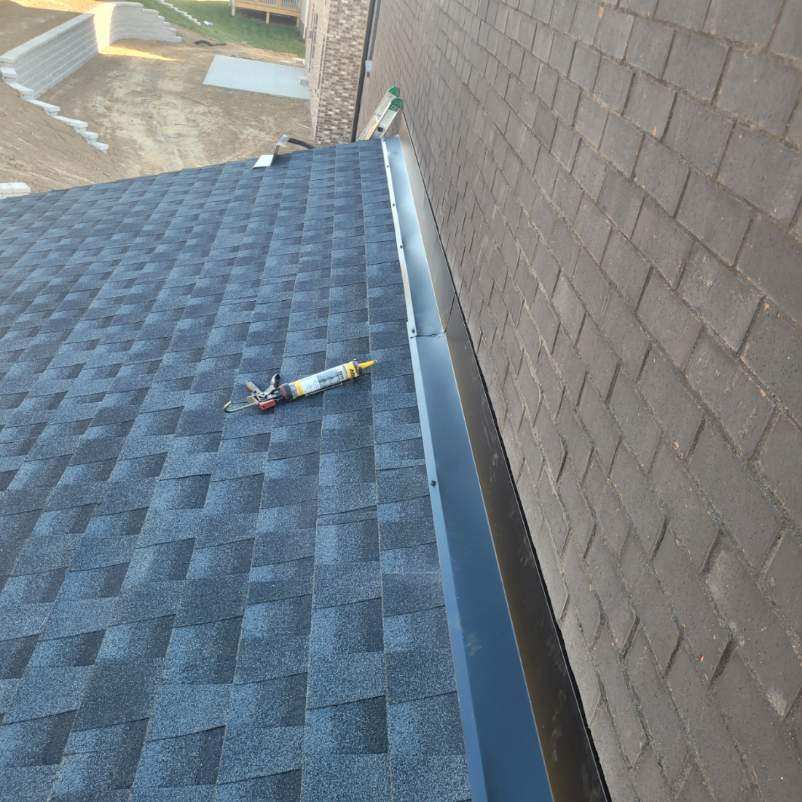
Roof flashing is metal installed to guide water away from high-risk areas. It prevents water from entering your home at walls, chimneys, and roof valleys. These locations naturally collect more runoff during storms, so flashing creates a watertight channel that directs water safely off the roof.
It is one of the most important components in any roofing system. Without proper flashing, leaks are almost guaranteed. Although shingles protect the majority of the roof, flashing handles the areas shingles cannot seal alone.
The type of flashing used depends on the roof design and the specific location. Because each situation is different, several flashing styles exist to handle different needs.
Apron Flashing
Apron flashing is used at the base of walls, chimneys, or roof penetrations. It has an L-shaped design that helps seal the lower portion of these areas. It can be produced in long sections, which allows roofers to create smooth protection with fewer joints.
Apron flashing is also installed around dormers to direct water away from vertical surfaces. This helps protect windows and siding from moisture damage.
Step Flashing
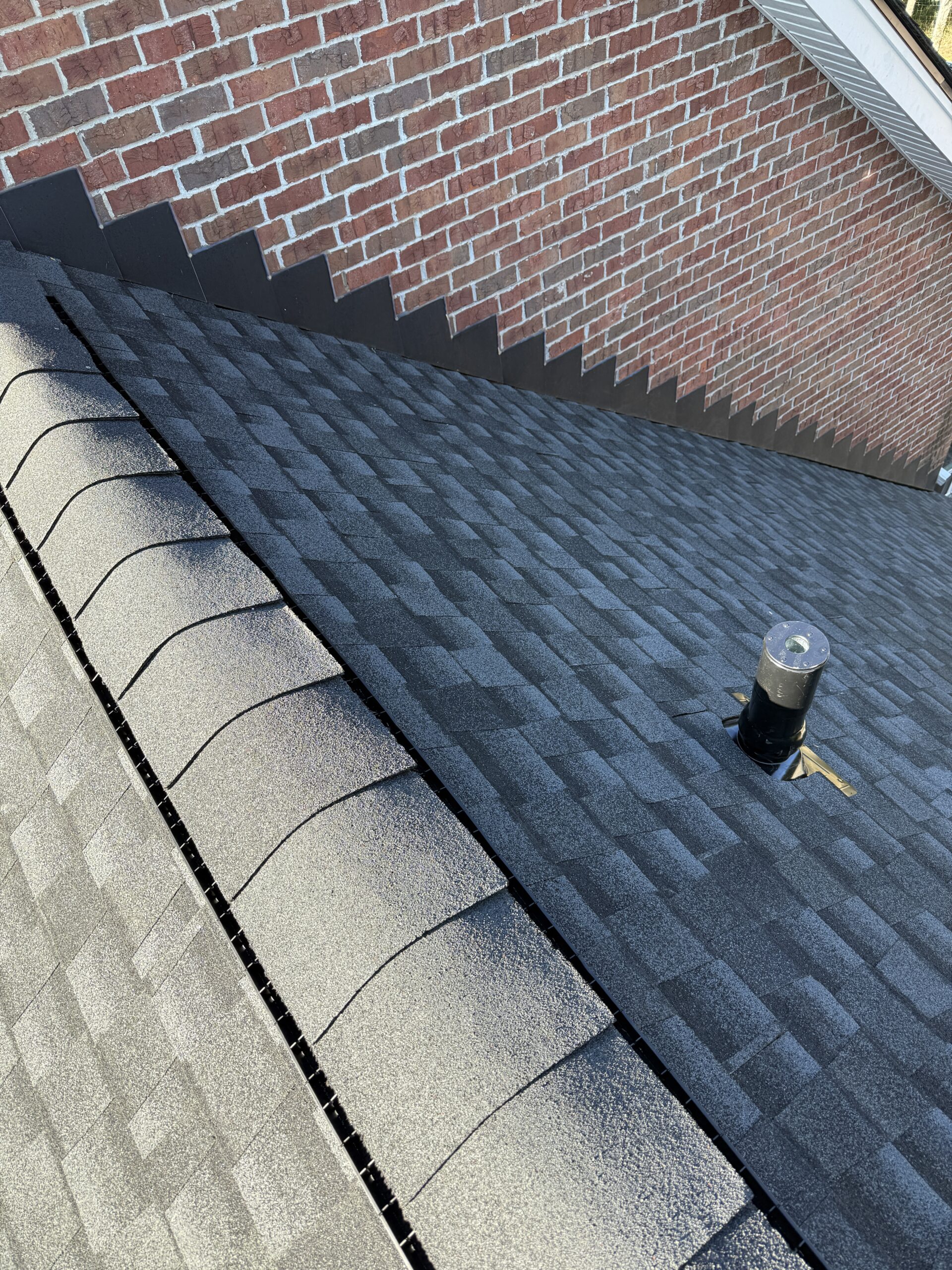
Step flashing is used along vertical walls where the roof meets siding or brick. Roofers install it using a step-by-step method that layers flashing and shingles together. This staggered pattern directs water over each shingle so it flows safely down the roof.
Step flashing cannot be installed as a single piece. It must be layered properly to function correctly. When installed wrong, leaks often develop quickly. Because of this, step flashing is one of the most important pieces to inspect during any roof replacement.
Counter Flashing
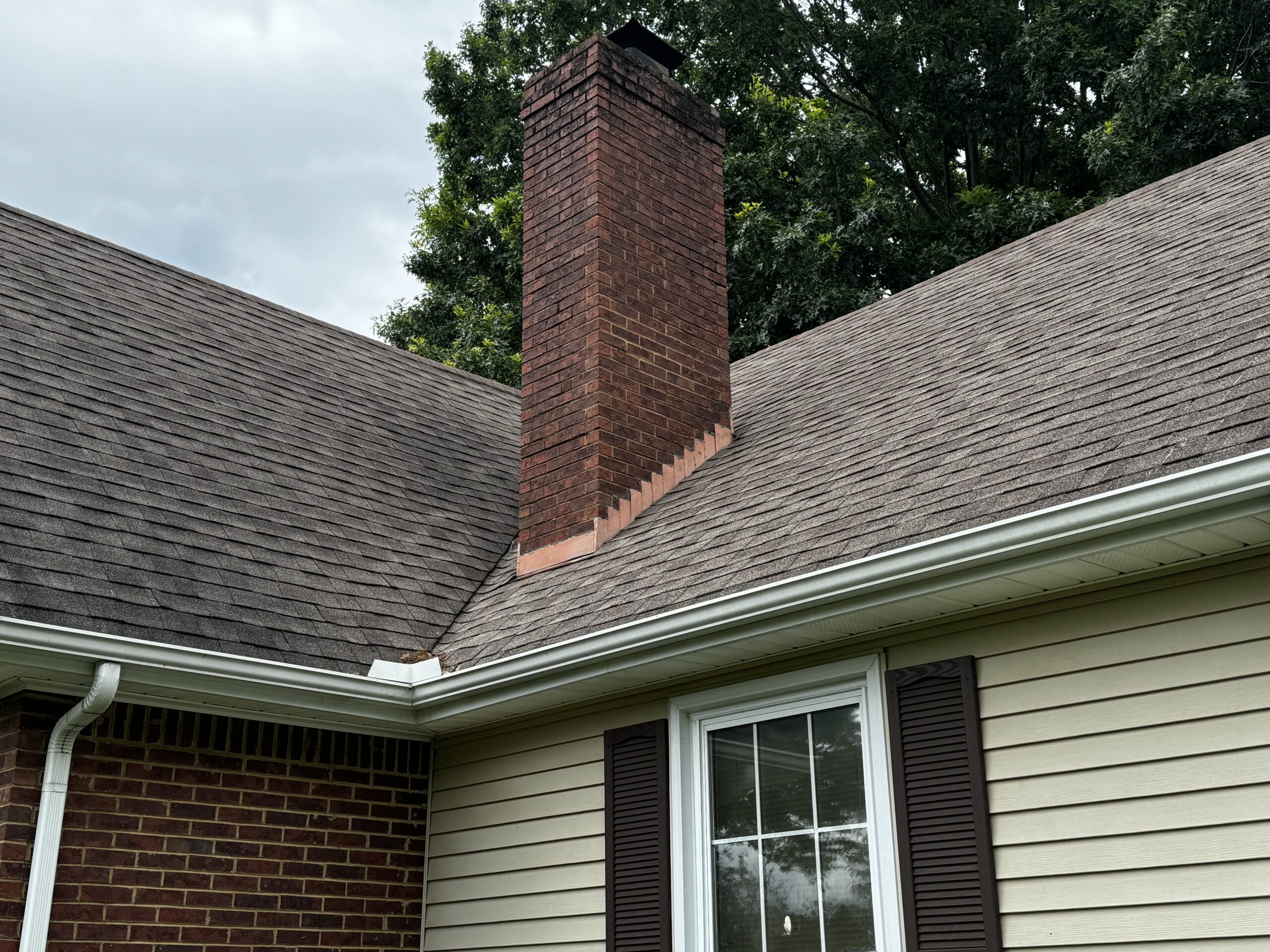
Counter flashing works with step flashing in chimney applications. It is installed by cutting into the existing mortar joint. The metal then folds over the step flashing to create a tight seal.
Counter flashing is visible from the ground, unlike step flashing. Although it requires more labor, it offers long-term protection. When installed correctly, counter flashing can last many decades.
Roof Valley Flashing
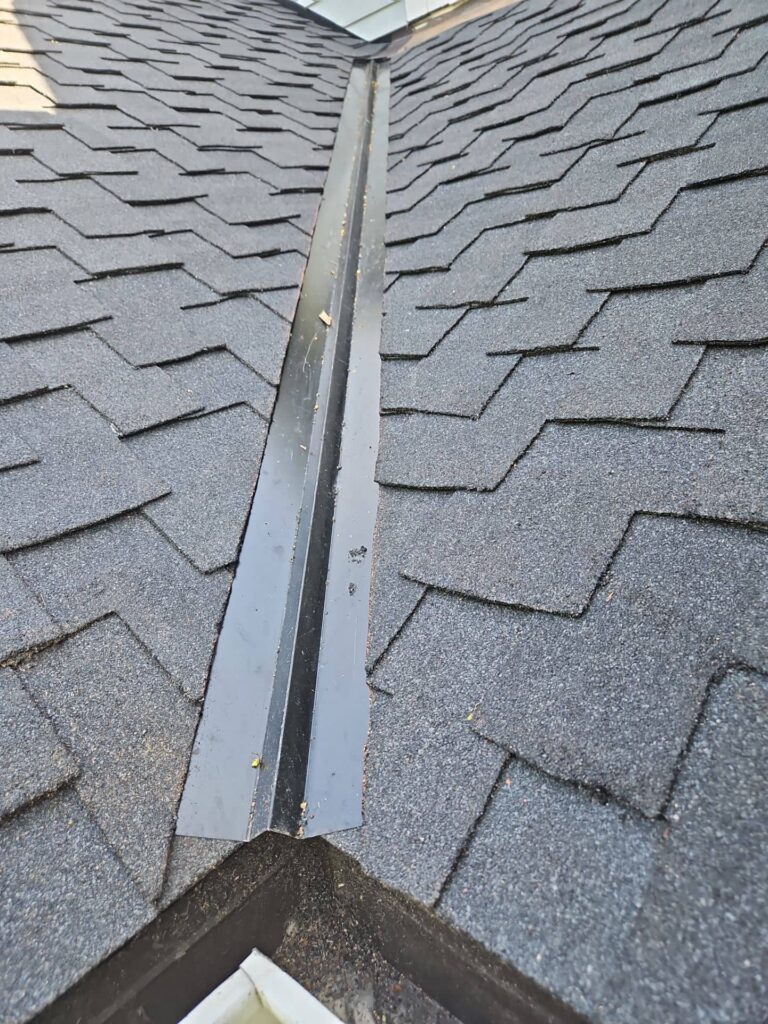
Roof valleys carry more water than any other part of your roof. Because of this, they require durable protection. In many cases, metal valley flashing is installed in open valleys to guide water away from the structure.
Certain roofing materials, such as luxury asphalt shingles, cedar shakes, and some synthetic shingles, require open metal valleys because they cannot bend to create a closed valley. With these materials, valley flashing becomes essential.
Does Roof Flashing Get Replaced During a Roof Replacement?
In many cases, yes, roof flashing does get replaced. Most flashing is designed to last longer than shingles, but that does not guarantee it should stay in place. It is often safer and smarter to replace flashing during a full roof installation.
Replacing flashing ensures every component of the roofing system is new and working together. Because all materials age differently, using old flashing with new shingles can lead to future issues. Many homeowners prefer everything to be updated for peace of mind.
However, flashing does not always require replacement. Some flashing is found in excellent condition during the inspection. If the metal is not rusted, cracked, or corroded, it may be reused. When flashing was installed correctly in the past, some contractors may choose to keep it.
Still, this decision must be made carefully. The installer must be confident in the previous flashing work. They must also be willing to stand behind it with a warranty. If not, replacing the flashing is the better choice for long-term protection.
Why Would a Roofing Contractor Avoid Replacing Flashing?
Although some contractors skip flashing replacements for valid reasons, many avoid replacing flashing for the wrong reasons. Unfortunately, this happens often in the roofing industry.
Some contractors exclude flashing to offer a lower estimate. Since metal can be expensive, removing flashing from the quote helps create the lowest bid. However, this approach leads to early roof failure and costly repairs. This tactic is never used by reputable roofing companies.
Therefore, you should expect your flashing to be replaced unless your contractor explains why it is safe to reuse it. If they cannot offer a clear reason, it is a red flag.
What Types of Metal Are Used for Roof Flashing?
Flashing can be made from several metals. Homeowners in Sumner County and Middle Tennessee often choose based on appearance, cost, and durability.
Steel is the most common choice. It is affordable, clean looking, and strong enough for most homes.
Copper is a premium option. It offers a beautiful appearance and can last a lifetime. Copper costs more upfront but adds strong curb appeal.
Aluminum is the least expensive option but also the least durable. However, it performs well when installed properly.
The best choice depends on your budget and your roofing material. A trusted contractor can help compare the options so the finished roof matches your goals.
What Else Gets Replaced During a Roof Replacement?
Flashing is important, but it is only one piece of a complete roofing system. Decking, underlayment, ventilation, drip edge, ice and water shield, and ridge caps often need replacement as well. These materials work together to create a durable system that protects your home.
Although some components may be reused, many homeowners choose full replacement to keep the entire roof consistent in age and performance. This approach offers long-term value and reduces the chance of issues.
Final Thoughts
Roof flashing plays a vital role in protecting your home. It prevents leaks in the most vulnerable areas and supports the entire roofing system. While flashing does not always need replacement, it often makes sense to replace it with the rest of the roof. Proper flashing ensures your home stays dry, efficient, and protected for many years.
If you suspect your roof needs work or want an expert opinion, our team is ready to help. Contact No Limit Roofing & Exteriors, LLC today for a free roof inspection and consultation, and let our Sumner County experts give your home the dependable protection it deserves.